
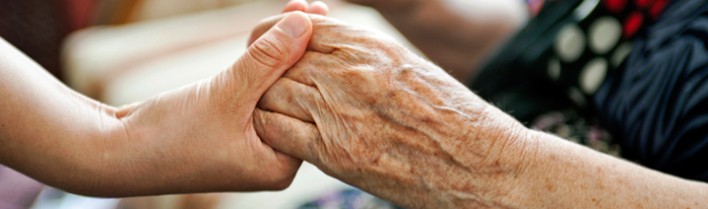
Pet therapy for the elderly
Pets not only offer companionship and unconditional love, research suggests they may have the ability to improve health and general well-being, in the elderly.
What is pet therapy?
Pet therapy involves animals as a form of treatment. The objective is to improve the resident’s social, emotional, or cognitive functioning.
Benefits of Pet Therapy
It has been found that there are many benefits to pet therapy; some of which may include:
- Decreased blood pressure and stress
- Improved communication and reminiscence
- Many people who are normally unresponsive to other therapies may ‘brighten up’ and ‘chat’ with a pet.
- Pets may motivate and encourage the elderly to stay healthy and exercise, giving them a feeling of being ‘needed’.
- Motor skills may improve with the assistance of an animal trained for pet therapy.
The animals used in pet therapy must also:
- Be well socialised, as they will be meeting new people all the time.
- Have basic obedience skills.
- Understand how to interact with people using crutches, wheelchairs or other mobility aids.
FAST FACTS:
Did you know pet owners…
- visit the doctors less often and use less medication
- on average, they have lower cholesterol and lower blood pressure
- recover more quickly from illness and surge
Meet our Resident Pets
Dog Bichon Frise Poppy 21/05/13 Toni Powell Black Taurus Loves to watch the cricket Schmackos Chasing the ball Inside of the toilet roll or Teddy Bear |
 |
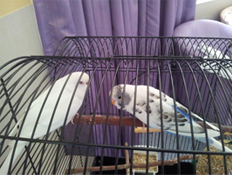
Bird Budgerigar Vincent & Louise Budgie seed Looking in the mirror |
 |
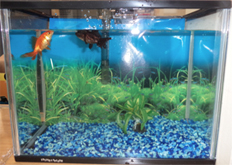
Fish Gold Fish Gerry & Payal Fish food Chasings |
 |